
Geometry
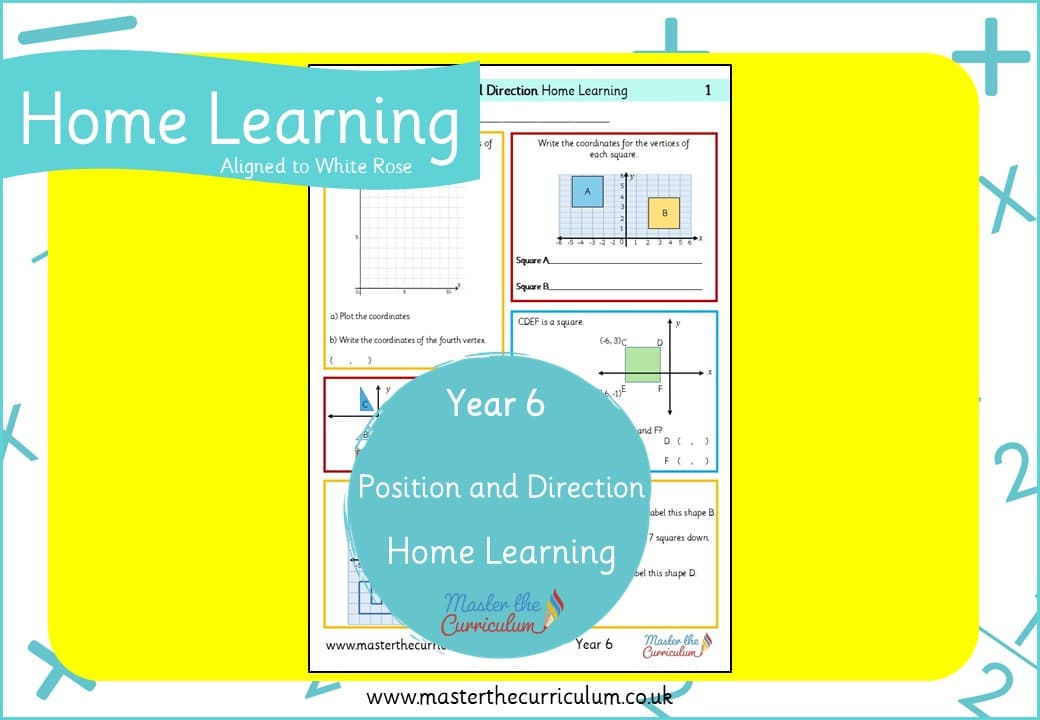
Y6Year 6 Position and Direction Home Learning
masterthecurriculum.co.uk
4.617 reviews
Included with membershipProposed versionTrusted by primary teachers across the UK · New resources every week
Geometry
Y6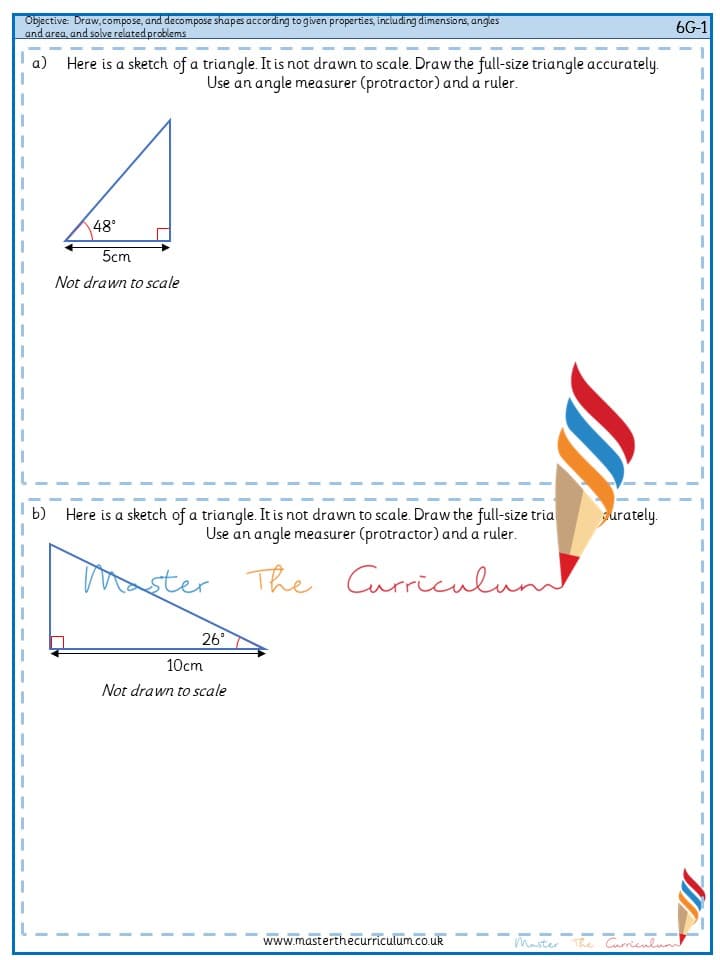
Preview only. The download is a fully editable file.
1 page shown before you download
1CoverThe rest of the pack
Planning, teaching slides and all three worksheet levels come with the download.
Included with membership
Unlock with membershipAlready a member? Sign in and it downloads from this page.
Keep it for later and group it with the rest of the block. No account needed to start.
Through key stage 2, pupils have learnt to measure perimeters, angles and areas of shapes, and have learnt to draw polygons by joining marked points (3G–2) and draw angles of a given size (5G–1). By the end of year 6, pupils must be able to draw, compose and decompose shapes defined by specific measurements. Composing and decomposing shapes prepares pupils for solving geometry problems at key stage 3, for example, finding the area of a trapezium by decomposing it to a rectangle and 2 triangles. Pupils should be able to draw a named shape to meet a given measurement criterion, for example: drawing a rectangle, on squared-centimetre paper, with a perimeter of 14cm (Example 1 below) drawing a pentagon, on squared-centimetre paper, with an area of 10cm2 (Example 2 below) drawing a triangle at actual size, based on a sketch with labelled lengths and angles (see 6G–1, question 5 )
Show lessThe standard small step pack, as her own modules ship it. We do not print page counts here, because her catalogue does not publish them and a guessed number is worse than none.
Her own system, with the star count repeated in every worksheet header so a child can be handed the right sheet without a word.
Geometry
Y6Geometry
Y6
Geometry
Y6
Geometry
Y6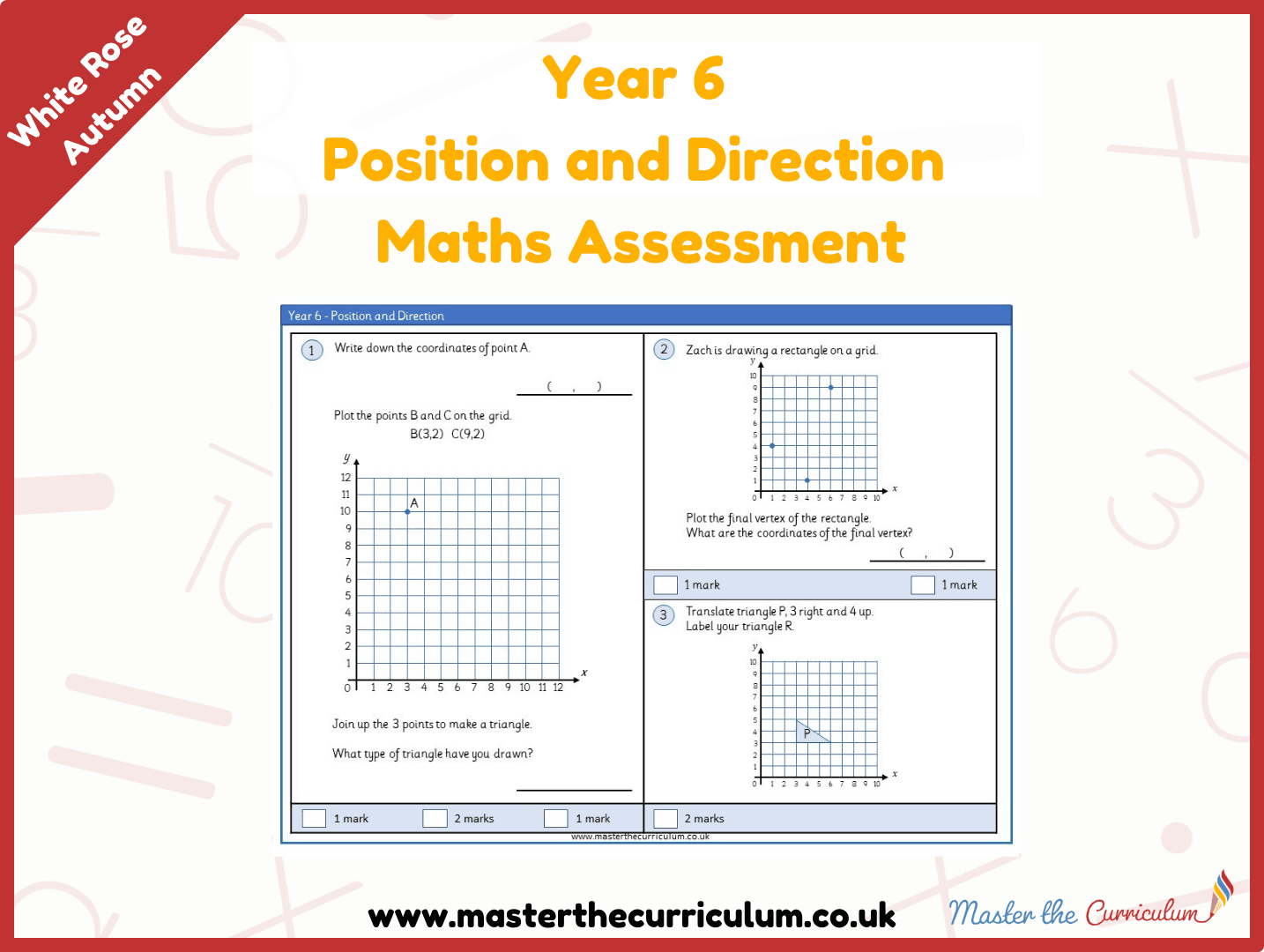
Geometry
Y6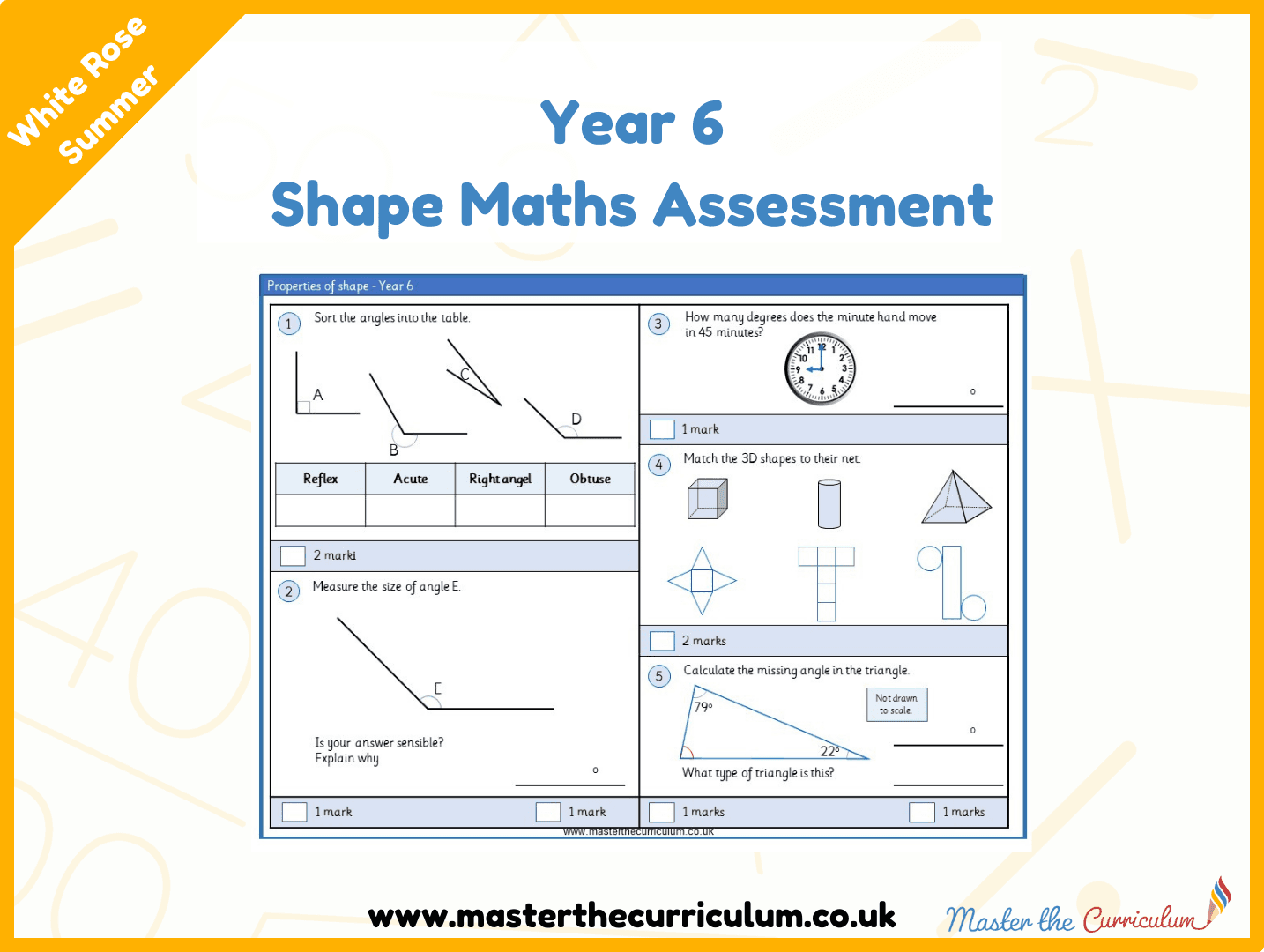
One email a week, for the year group you actually teach. Unsubscribe in a click.