
Key Events & Seasonal
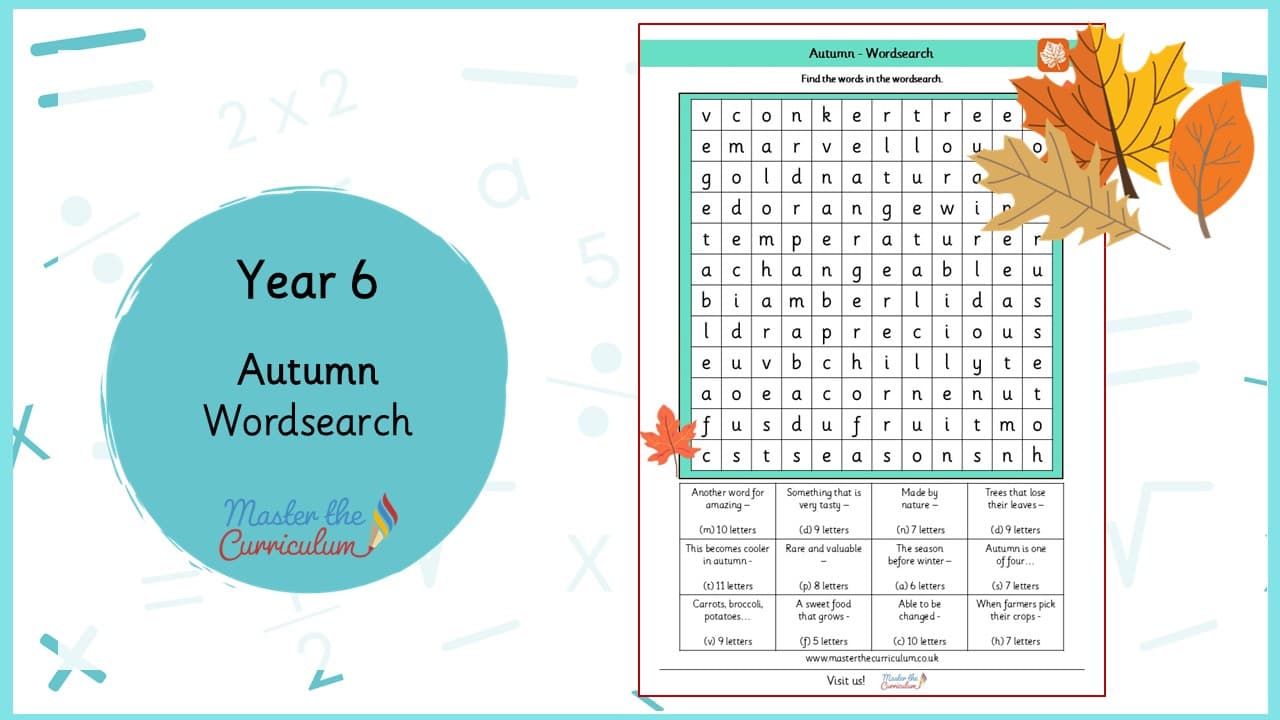
Y6Autumn Wordsearch
masterthecurriculum.co.uk
Proposed versionTrusted by primary teachers across the UK · New resources every week
Key Events & Seasonal
Y6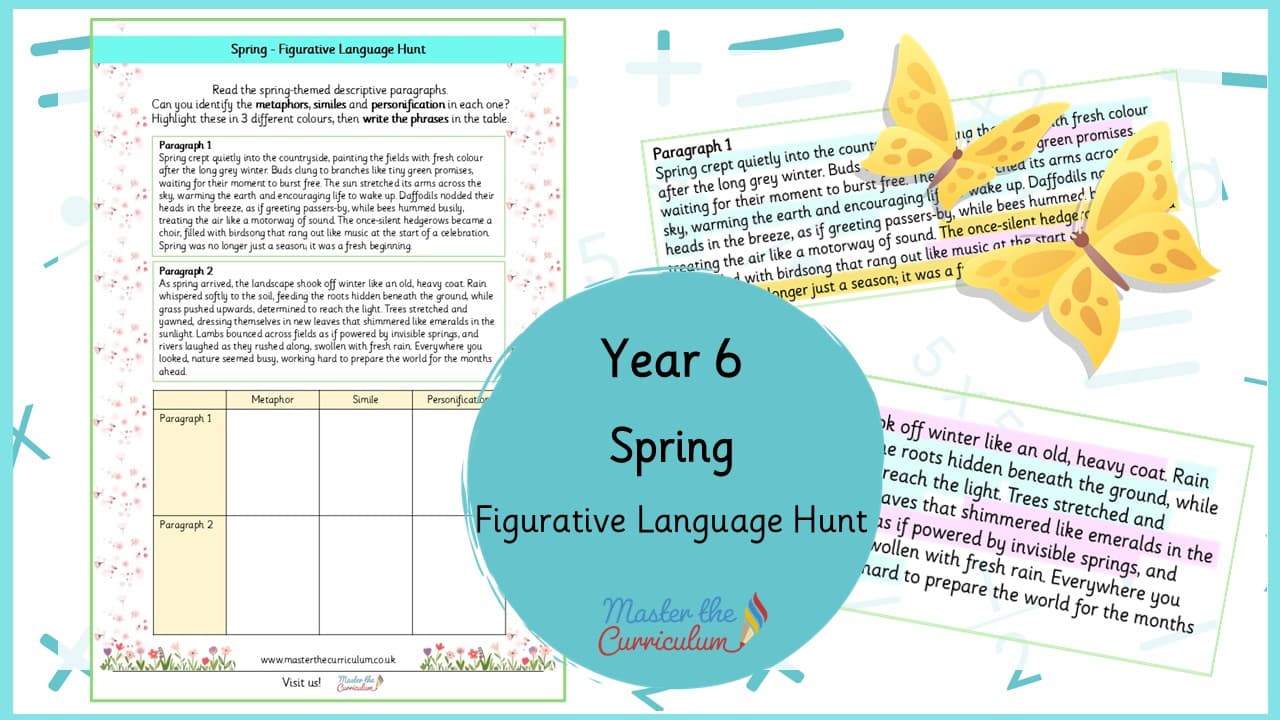
Preview only. The download is a fully editable file.
1 page shown before you download
1CoverThe rest of the pack
Planning, teaching slides and all three worksheet levels come with the download.
A Year 6 spring-themed literacy activity focusing on identifying simile, metaphor and personification in descriptive texts. Ideal for guided reading, revision or independent work.
Included with membership
Unlock with membershipAlready a member? Sign in and it downloads from this page.
Keep it for later and group it with the rest of the block. No account needed to start.
This Year 6 literacy resource focuses on identifying and understanding figurative language through two engaging, spring-themed descriptive paragraphs . Pupils explore examples of simile, metaphor and personification , helping them recognise how writers use language to create vivid imagery and atmosphere. The activity is quick to prepare and easy to use, making it ideal for whole-class teaching, guided reading, independent work or revision . Pupils are encouraged to read carefully, locate language features within the text and explain their choices using evidence. An accompanying teacher explanation and highlighted answers support modelling and assessment. Designed for Upper Key Stage 2 , this resource supports reading comprehension, vocabulary development and writing skills, and links closely to Year 6 SATs-style expectations . The spring theme makes it particularly suitable for seasonal lessons, cross-curricular links, or as a creative writing stimulus.
Show lessThe standard small step pack, as her own modules ship it. We do not print page counts here, because her catalogue does not publish them and a guessed number is worse than none.
Her own system, with the star count repeated in every worksheet header so a child can be handed the right sheet without a word.
Key Events & Seasonal
Y6Key Events & Seasonal
Y6
Key Events & Seasonal
Y6
Key Events & Seasonal
Y6
Key Events & Seasonal
Y6
One email a week, for the year group you actually teach. Unsubscribe in a click.