
Geometry
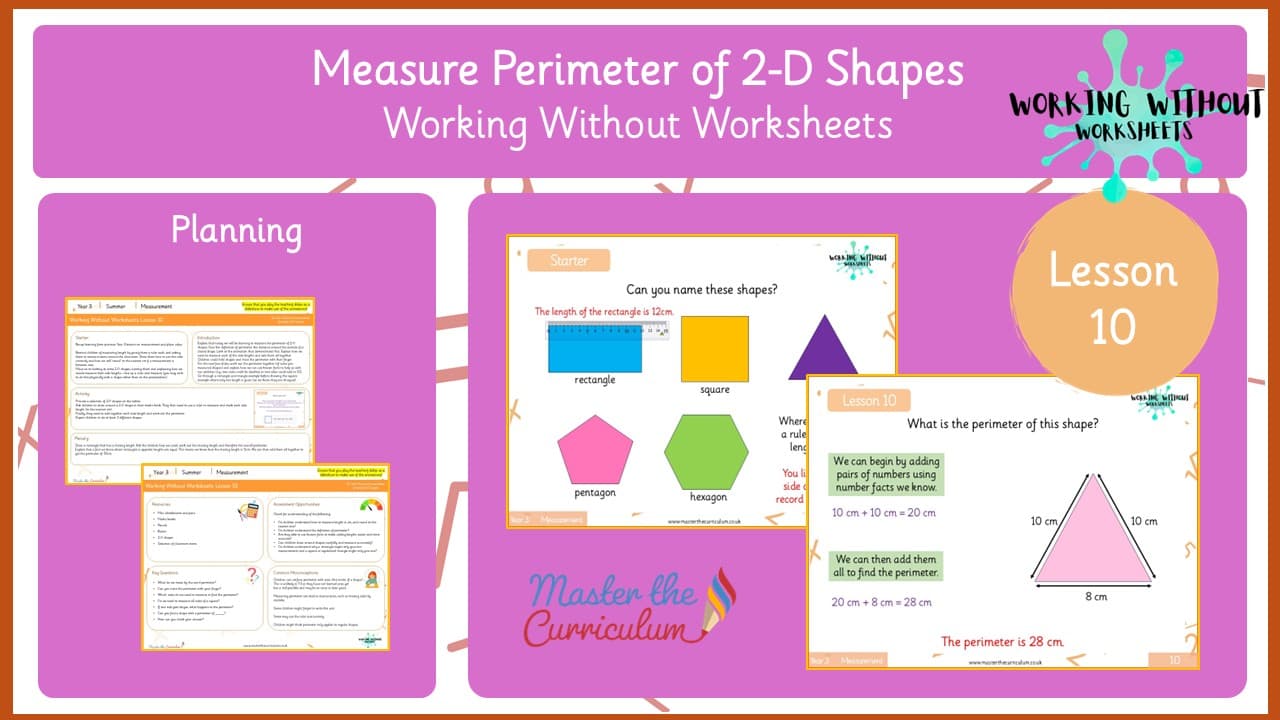
Y3L10 Measure the Perimeter of Simple 2-D Shapes
masterthecurriculum.co.uk
Proposed versionTrusted by primary teachers across the UK · New resources every week
Geometry
Y3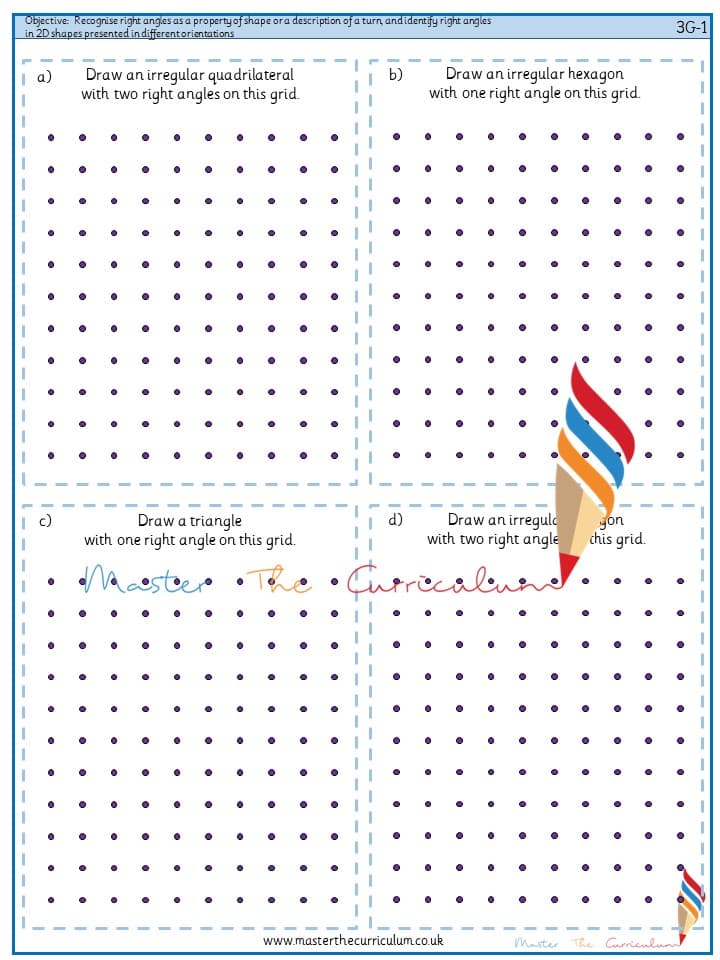
Preview only. The download is a fully editable file.
1 page shown before you download
1CoverThe rest of the pack
Planning, teaching slides and all three worksheet levels come with the download.
Included with membership
Unlock with membershipAlready a member? Sign in and it downloads from this page.
Keep it for later and group it with the rest of the block. No account needed to start.
Pupils must have learnt about fractions before beginning work on this criterion. In particular they should recognise one-, two- and three-quarters of a circle. Pupils must be able to describe and represent quarter, half and three-quarter turns (clockwise and anti-clockwise). Pupils should begin by making quarter turns with their bodies, following instructions such as “Stand, and make a quarter turn clockwise. Walk in a straight line. Stop. Make a quarter turn anticlockwise.” They should be able to relate these movements to the quarter turn of a clock hand. Pupils should learn that the angle relative to the starting orientation, created by a quarter turn (in either direction), is called a right angle – programmable robots and geo-strips are useful tools for illustrating this. Pupils should then learn to follow instructions involving 1/2 turn and 3/4 turns, clockwise and anticlockwise. They should recognise that the result of making a 1/2 turn clockwise is the same as the result of making a 1/2 turn anticlockwise. Pupils should also understand 1/2 and 3/4 turns as repeated 1/4 turns, and therefore as repeated turns through a right angle. Pupils should recognise that a right angle is the ‘amount of turn’ between 2 lines, and is independent of the length of those lines. They should be presented with a right angle created by 2 long lines (such as two metre sticks) and a right angle created by 2 short lines (such as 2 geo-strips), and understand that both are right angles. It is important that pupils know that it is incorrect to describe the right-angle made from longer lines as a ‘bigger right angle’, or that made from the shorter lines as a ‘smaller right angle’. Pupils should practise identifying right angles in their environment, for example, the corner of their desk, the panes of a window, or the hands on a clock at 3pm or 9pm. They should learn to use various tools to confirm that angles are right angles, for example a card circle with a quarter circle cut out, or a
Show lessThe standard small step pack, as her own modules ship it. We do not print page counts here, because her catalogue does not publish them and a guessed number is worse than none.
Her own system, with the star count repeated in every worksheet header so a child can be handed the right sheet without a word.
Geometry
Y3Geometry
Y3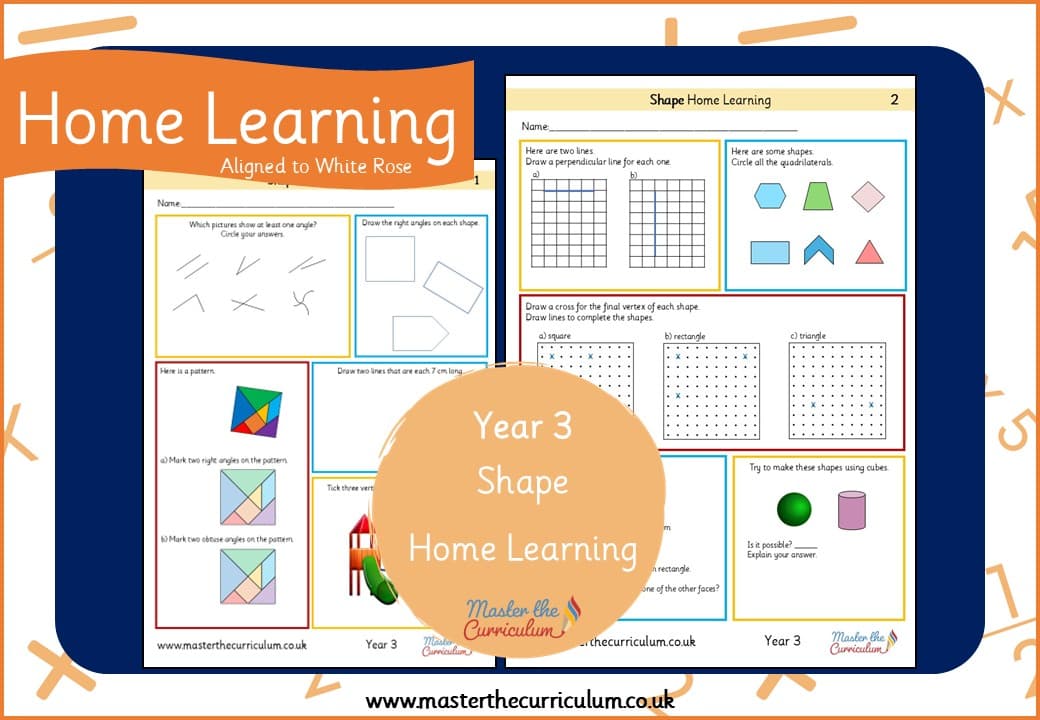
Geometry
Y3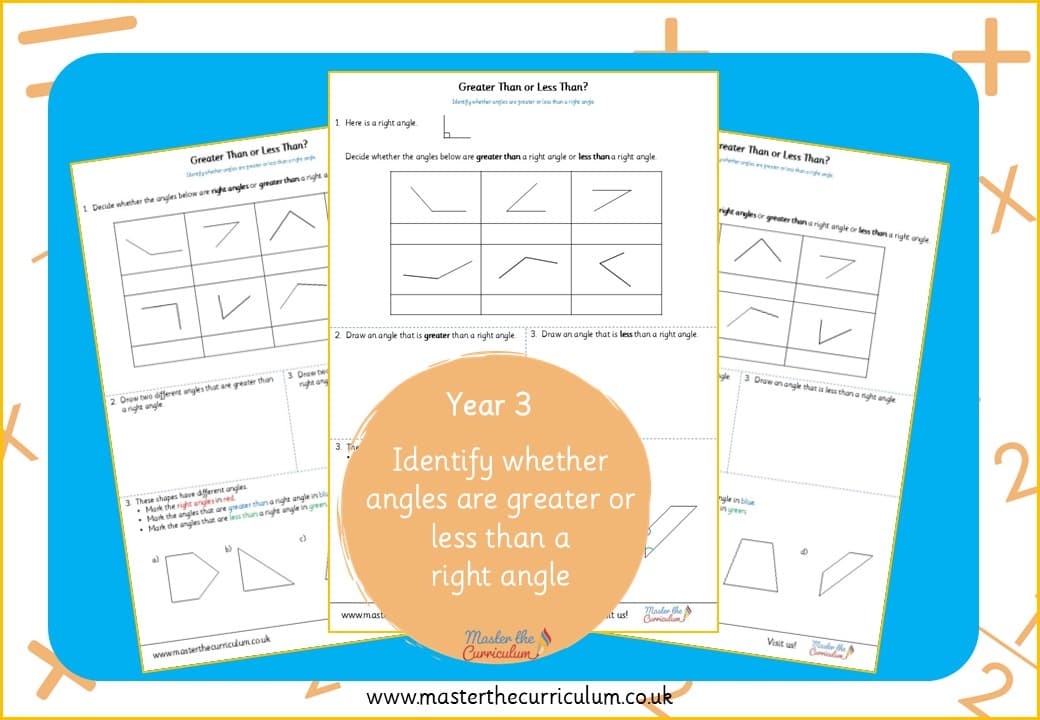
Geometry
Y3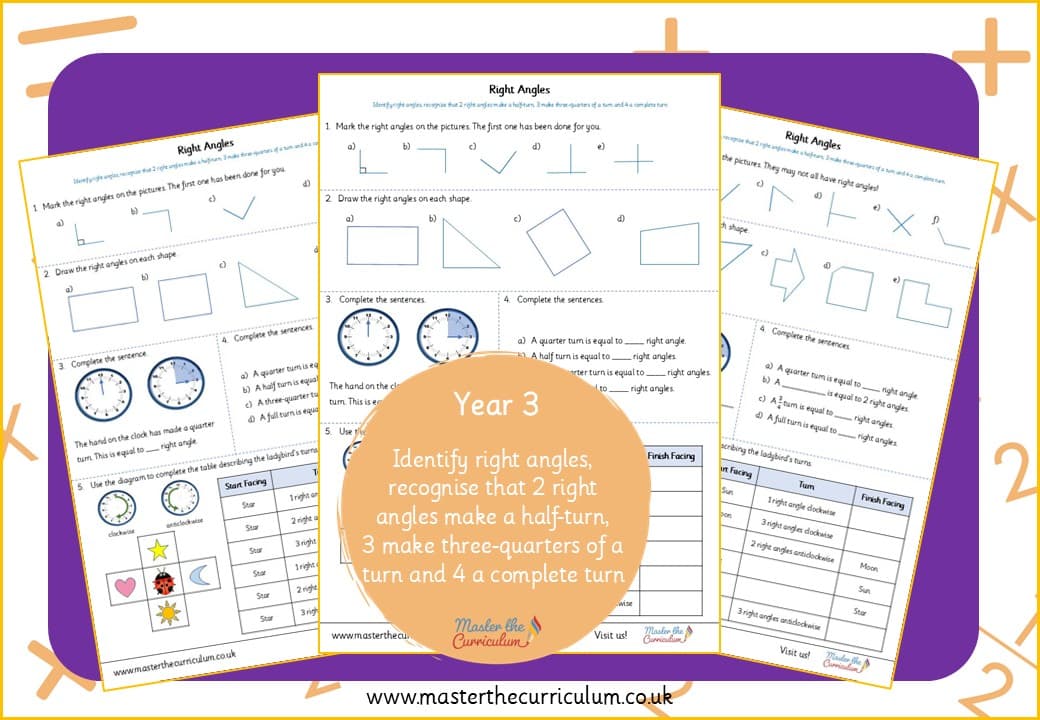
Geometry
Y3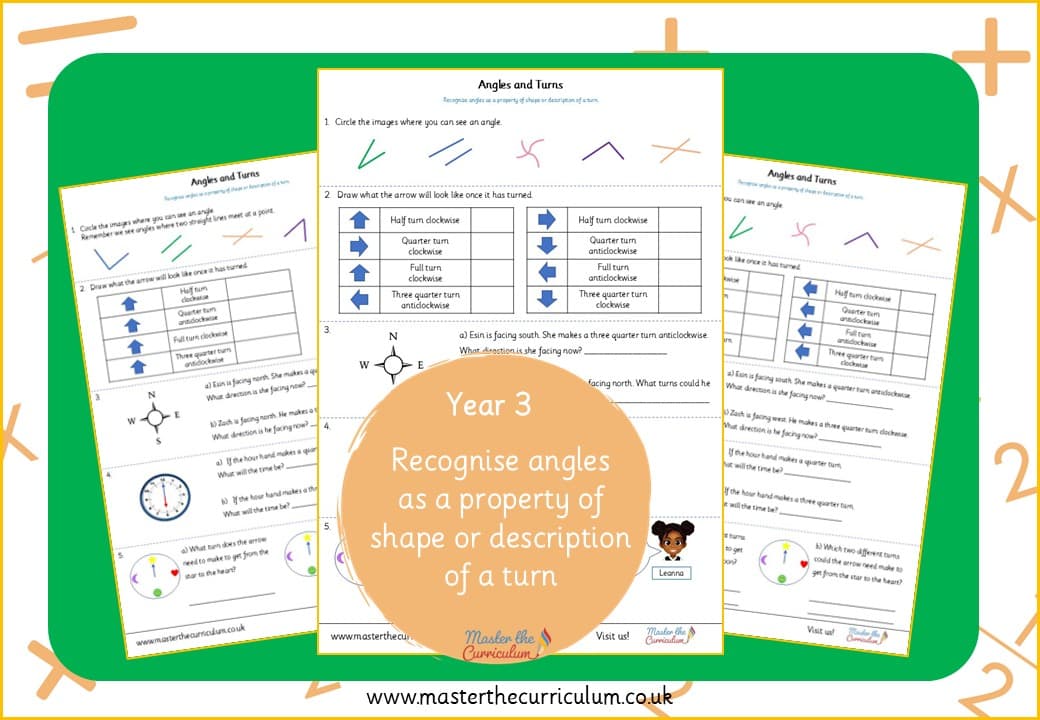
One email a week, for the year group you actually teach. Unsubscribe in a click.